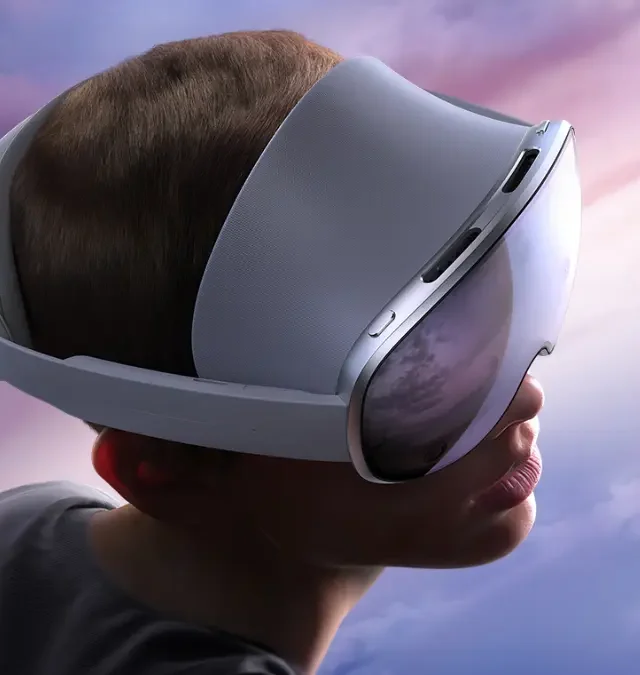
In a world where smartphones dominate almost every part of daily life, a major shift is happening. Tech giants envision future beyond smartphones, and they’re investing billions to build what many experts are calling the next digital era. From AI-powered wearables to mixed-reality headsets, ambient computing, and screenless interfaces, the biggest companies—Apple, Google, Meta, Samsung, and Microsoft—are preparing for a world where the phone is no longer the center of our tech universe.
If you’ve been wondering what comes after smartphones, what future technology will replace mobile phones, or how AI will reshape personal devices, this article breaks everything down in simple.

Why Tech Giants Are Moving Beyond Smartphones – tech giants envision future beyond smartphones
Smartphones have reached a point where yearly upgrades barely feel different. But industries don’t grow on small changes—they grow on revolutions.
Here’s what’s driving the shift:
- AI innovation is outgrowing phone hardware
- Consumers want hands-free, screen-free experiences
- Wearables and AR devices are becoming powerful enough to replace tasks we do on phones
- Tech companies need the “next big device” to stay competitive
This is why Silicon Valley is pouring resources into AI wearables, AR glasses, mixed-reality headsets, holographic displays, and voice-first devices.
2. Augmented Reality Glasses (AR Glasses)
Many experts believe AR glasses will replace smartphones within 10–15 years.
Companies involved:
- Apple (Vision Pro ecosystem → future lightweight AR glasses)
- Meta (Ray-Ban Meta smart glasses)
- Google’s Project Iris (reviving its AR ambitions)
- Samsung x Google XR partnership
3. Mixed-Reality Headsets & Spatial Computing
Apple calls it “spatial computing”, while Meta calls it “the metaverse”—but both point to a future where digital content lives around us, not inside a phone.
4. Ambient & Invisible Computing
This is the biggest trend almost no one is talking about.
Ambient computing means technology fades into the background while AI works automatically.
Examples:
- Smart rooms that adjust lighting, temperature, and music based on mood
- AI that predicts needs before you ask
- Devices that communicate with each other without screens or apps
5. Holographic Displays & Projection Tech
Imagine receiving a text message floating above your desk—no screen required.
Companies are working on:
- 3D holographic displays
- Light-field projectors
- Skin-based projection interfaces
Tech giants hope these will make traditional smartphone screens unnecessary.
Why This Shift Matters for Everyday Users
In the USA, early adopters are especially excited because post-smartphone devices promise:
- More hands-free convenience
- Less screen time
- More natural AI interactions
- Better accessibility for elderly or disabled users
- Seamless integration across home, car, and work
The future isn’t just about new gadgets—it’s about making technology feel human and effortless.
Which Companies Lead the Post-Smartphone Race? – tech giants envision future beyond smartphones
Apple – betting on Vision Pro → AR glasses → spatial computing
Google – investing heavily in Gemini AI + smart glasses + ambient computing
Meta – focusing on AI smart glasses + metaverse
Samsung – building XR devices + AI-powered wearables
Microsoft – advancing holographic enterprise solutions
Each wants to invent the device that replaces smartphones for billions of users worldwide.
Will Smartphones Really Disappear?
Not immediately. Smartphones will likely coexist with new technology for the next decade. But AI wearables and AR glasses will gradually take over the functions we use phones for today, like:
- Messaging
- Navigation
- Search
- Calls
- Photography
- Social media
The shift will be slow but transformative—just like how smartphones replaced feature phones.
Conclusion: The Future Beyond Smartphones Has Already Started
Tech giants envision a future beyond smartphones, and the transition is happening faster than most people realize. With AI-powered wearables, AR glasses, mixed-reality headsets, holographic displays, and ambient computing, the next decade will redefine how humans interact with technology.
We’re entering a world where devices become invisible—and intelligence becomes everywhere.
Tech Giants Envision Future Beyond Smartphones
Frequently Asked Questions (FAQs) About Tech Giants Envision Future Beyond Smartphones
Why do tech giants envision a future beyond smartphones?
Tech giants envision a future beyond smartphones because mobile innovation has reached a saturation point, while new technologies like AI wearables, AR glasses, and spatial computing offer more natural, hands-free, and immersive experiences. Companies want to create the next major device category that replaces or reduces dependence on smartphones.
What technology will replace smartphones in the future?
Experts predict that AI-powered wearables, AR glasses, and mixed-reality headsets will gradually replace smartphones. These devices will allow users to read messages, navigate, search, and make calls without needing a traditional screen.
Are smartphones going to disappear completely?
Not immediately. Smartphones will continue to be used for many years, but tech giants envision a future beyond smartphones where wearables and AR devices handle most daily tasks. The transition will be slow, similar to how smartphones replaced basic phones.
How soon will AR glasses replace smartphones?
Analysts estimate that AR glasses could start replacing smartphones within 10–15 years, as companies like Apple, Meta, and Google develop lighter, more powerful, consumer-ready AR devices.
What is the post-smartphone era?
The post-smartphone era refers to a future where digital interactions no longer rely on handheld screens. Instead, AI assistants, wearables, smart glasses, and ambient computing handle tasks automatically, making technology more seamless and human-centered.
Which companies are leading the shift beyond smartphones?
Apple, Google, Meta, Samsung, and Microsoft are leading this shift. These tech giants envision a future beyond smartphones and are investing heavily in AI wearables, AR glasses, XR headsets, and spatial computing technologies.
How will AI change personal devices in the future?
AI will power real-time translation, conversational assistants, gesture-based controls, predictive automation, and virtual screens. This allows devices to work with less hardware, fewer apps, and more intuitive interactions.
Will future devices be safer and more private than smartphones?
Yes. Many next-generation devices focus on on-device AI processing, meaning data stays local rather than being uploaded to the cloud. This reduces security risks and improves user privacy.
What is ambient computing?
Ambient computing is a system where technology blends into the environment and responds automatically. Examples include smart rooms, voice assistants, or AI predicting user needs without manual input—major parts of the post-smartphone vision.
How will the future beyond smartphones affect daily life?
People will rely less on screens and more on AI-driven, hands-free experiences. Navigation, communication, work, and entertainment will shift to AR glasses, AI assistants, virtual displays, and wearable tech, creating a more immersive and frictionless digital lifestyle.
Content information Source:- https://coruzant.com/tech/tech-giants-envision-future-beyond-smartphones/
Also Read:- 6 OPPO Devices Start Receiving ColorOS 16 in November — Full Rollout Details